

Survivors
* 2nd in a 4-part series
West Buffalo – While each cancer is as unique as the person it affects – and the majority of breast cancer diagnoses come from families with no history of breast cancer – if your mother, sister, daughter, or other relatives were ever diagnosed with either breast cancer or ovarian cancer, you are at an increased risk.
Risks for breast cancer come from a combination of factors, including hormones, environment and lifestyle – as well as heredity. Most women may have one or more risk factors and that doesn’t mean they will get breast cancer; but it is important to know as much as you can to protect yourself and be proactive when it comes to cancer.
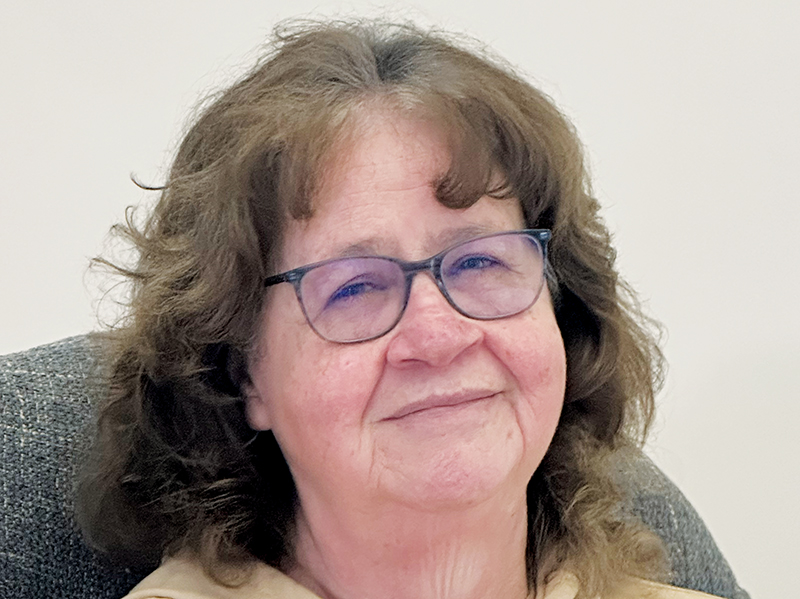
Joy Stewart was getting her regular check-up with Dr. Lynch at the Tallulah Health Clinic in 2010. She had gotten her mammogram and received a good report – yet Lynch felt a small lump in her right breast during the examination. Dr. Lynch believed the lump was a cyst and nothing to worry about, but she suggested that Stewart go to the Hope Cancer Center in Asheville to ensure it wasn’t serious.
While at the center, Stewart met with Dr. Williams, who also believed the lump was a cyst. He drained it, but he ordered several more tests to get as accurate a diagnosis as possible. The results of a Breast-Specific Gamma Imaging (BSGI) determined Stewart indeed had cancer in her right breast.
Williams explained the cancer was contained and it was a Stage 0. Stewart was given two choices: she could have a mastectomy and take a cancer pill for the next five years, or she could receive radiation every day for six weeks.
She was given two weeks to decide.
Stewart was no stranger to breast cancer. Her grandma and three aunts had all had breast cancer. Two of the same aunts had also had uterine cancer. She knew she must take action to prevent any issues that may arise later and she decided to have a double mastectomy. Still, the whole diagnosis and procedure was a scary time in her life. She recalled the anxiety and nervousness that overtook her each time she had to go for testing.
Stewart recalled the morning of her surgery and how she felt a peace she had not felt before. She was calm and felt everything would be okay. She now knows that the Lord gave her peace just when she needed it and she is very thankful for His presence that day.
Stewart says that the emotional part of the surgery was harder for her than the physical part of it. That was something she hadn’t expected. She was 50 years old at the time of the first surgery. She continued to take care of herself. She did as she was told and she continued to follow up with appointments and mammograms.
Little did she know, she could still develop breast cancer a second time until risk factors determined a possibility for cancer when calcium deposits were found during a mammogram in 2014. Once again, Stewart went into surgery for a second double mastectomy. Stewart wanted no chance of the cancer returning. Even with Stage 0, she was told the cancer could sit there for 20 years, or it could take her life within a year.
Stewart is glad she was proactive and took the path for recovery that she took. She believes that her family has heredity risk factors associated with cancer. She has a first cousin who is currently battling uterine cancer.
When asked about advice to women, Stewart was hesitant. She agreed and encouraged women to get their annual checkups and mammograms when scheduled, but she also realizes that her mammogram did not reveal her cancer.
At her second mastectomy follow-up, Williams looked at the wall of her x-rays and mammo reports, and told her that he could look at every one of them and still not see the cancer that was underneath her right breast and already metastasizing throughout her first diagnosis.
This was the cancer found in surgery that would have started all the trouble, according to Williams.
“Do all you can,” Stewart recommended. “Take care of yourself and be your advocate. Know your body and most importantly, know that God has it.”