
*Seventh in a series
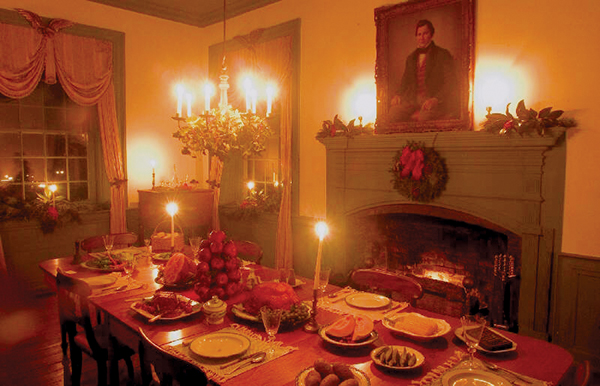
Before Cherokee communities began celebrating Christmas, a winter celebration was already one of the six major festivals of the year.
The winter celebration took place near the winter solstice and centered around a feast.
When the Cherokee invited Moravian missionaries to settle in Georgia in 1801, the German Protestant congregation brought their own unique Christmas traditions. Moravians celebrated with an Agape Feast – also known as the Lovefeast – which included spiced apple cider, sweet baked buns, gestures of goodwill and a letting-go of the trials of the previous year.
The first recorded celebration of Christmas by a Cherokee community occurred in 1805 at the Vann House in Chatsworth, Ga. James Vann was a mixed-blood Cherokee leader and owner of the largest and most prosperous plantation in the Cherokee Nation and so he was the natural host for such a celebration. That first Christmas celebration included the German tradition of a Christmas tree, a song service and spruce branches on the floor. There were small presents for the children candles burning throughout the house. While some visited just to look at decorations, others participated in what the Moravians called a “happy love fest.”
Two years after the initial celebration, more than 150 Cherokee attended Vann’s Christmas and the popularity of the holiday continued to grow, as Cherokee communities adopted the Moravian celebration and blended them with the traditional winter feast.
When the Vann’s were evicted from the Chatsworth mansion as a result of the Indian Removal Act of 1830, Vann’s son Joseph relocated to Tennessee and reestablished the family plantation and businesses.
Known as “Rich Joe,” the younger Vann left for Indian Territory prior to Removal and reestablished the family enterprise yet again.
For more information on the James Vann House, visit gastateparks.org.