

Marshall McClung
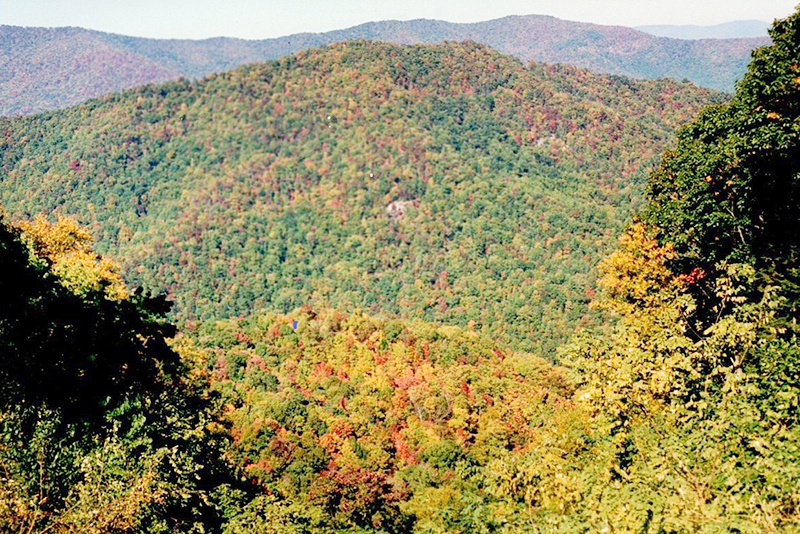
The pioneers that entered what is Graham County today found themselves in an area covered by dense forests; streams full of fish; plenty of wild game; and Cherokee Indians who had arrived long before the first white person.
This was to be one of the last areas of North Carolina settled by whites and often referred to as "The Last Frontier," or an “area out back of beyond."
Early maps show the entire western end of North Carolina labeled as “unmapped” or “Indian Country." Only major streams were listed. Roads were practically non-existent, with Indian trails or game trails about the only way to travel in the woods.
The Lovin family came to the county around 1881 and settled in the vicinity of Squally Creek. The area was said to have been named for a Cherokee by that name who lived there.
Paul Lovin said that his grandfather spoke of only a few white families living in that part of our county, including John Hyde on Atoah Creek; Doc Carver on Big Snowbird Creek; and the Hoopers on West Buffalo.
The Enos Hooper family had come to the area around 1840. Enos was Graham County’s first doctor – and Hooper Bald off the Cherohala Skyway is named for him.
Tillman Lovin was a child when the Lovin family arrived here. He said there was no road up West Buffalo Creek, so they carried their belongings on their backs – including axes, cooking utensils, farm tools and rifles. The cook stove was put on a pole cut from the woods. Furniture such as chairs, tables and beds were made from wood out of the nearby forest.
A small lean-to was built for shelter while a log cabin was under construction. Wooden pegs were used for nails, and the chimney was built using sticks and mud. An area of land was also cleared to grow crops on.
A large part of the meat the family consumed came from the woods or streams. Bear, deer, fish and other wildlife were plentiful, but were only taken for food. If it was shot or caught, it was eaten. As time progressed, grist mills for grinding corn began to appear in communities – along with milk cows and chickens in the farmyard.
No one had matches, so fires were started using flint to produce a spark. If a family let their fire go out, it would bring about a trip to the nearest neighbor – who might live miles away – to “borrow fire."
Another long trip was hiking to the high mountain meadows, to check on cattle taken there to graze on the lush grass. Those making such trips spoke of hearing wolves howling. This is thought to be how Wolf Laurel in the Big Santeetlah area got its name.
With the coming of the railroad and several logging companies, Graham County began to grow and – along with it – more roads were built or improved.
Marshall McClung is the historical columnist for The Graham Star. He is retired from the U.S. Forest Service and can be reached via email, mcclungs828@gmail.com.