
* Conclusion of a 2-part report
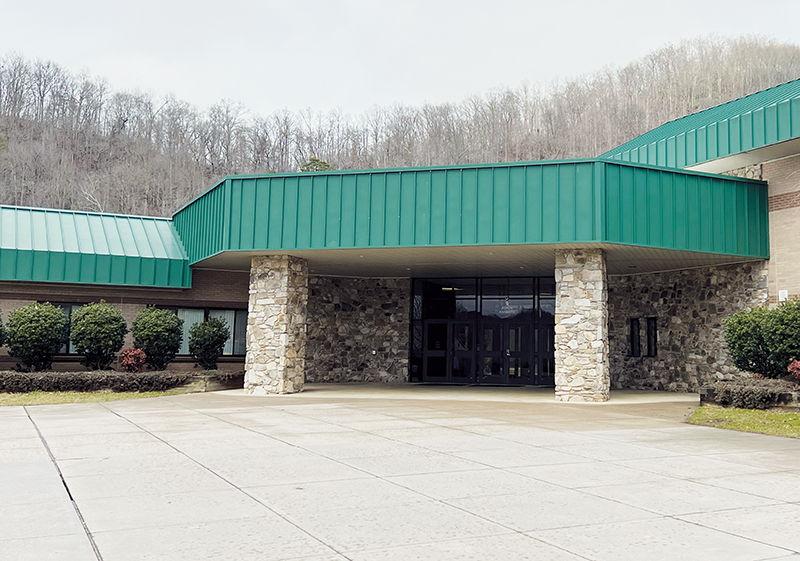
Robbinsville – The only institution in the district that has maintained the status quo, Robbinsville High’s new administrators insist that the facility is not going to get complacent.
Robbinsville High has been a “C” school since 2019 and even turned in a “B” for the 2018 assessment. The school leapt from a 77.9 last year to an 85.2 on its growth score; its performance grade also increased, bumping from a 62 to a 66. Of note, testing increases were found in ACT/WorkKeys (36.8, up from 34.9) and biology (43.2, a huge gain from 30.7).

Erica Sawyer was also promoted to principal during the summer, replacing David Matheson (who received a promotion of his own, to facilities director/assistant superintendent). Adam Brooks was hired as assistant principal.
“We have a lot of things in place that we’re trying to make progress on,” Sawyer said about the school’s improvement plan. “There’s a couple of things in there that we had in the past, but had kind of dwindled away and has not fully come back the way we would like to see it; nothing drastic by any means, because we’ve made steady increases in scores.
“We feel like we’re moving in the right direction.”
Keeping with the mantra, the school zeroed in on many areas where improvements can be made. Adopting a motto of “Success: Every Student, Every Day,” Robbinsville High wants to – among other items – increase the letter grade from the state back to a “B” and improve its graduation rate to at least 90%.
Objectives that are in progress include:
* Customize and target support to meet needs. Brooks is spearheading this initiative, which hopes to boost attendance through incentive-based assignments. For example, “students who meet certain attendance and academic criteria will be exempt from certain final exams,” according to the plan; as well as a method for affording students with perfect attendance for three consecutive weeks with an extra lunch pass.
“We want to reward students who are doing well coming to school and in the classroom,” Brooks said. “In any area, the more they’re here, the better they’re going to do in any of their classes and on their exams,” Sawyer added.
* Target professional learning opportunities. Once completed, the objective will show a direct correlation between professional development and data-based needs. The data itself will be collected from a combination of school performance and classroom observations.
* Effective use of blended learning methods. The school is developing an ACT Team to help improve scores on the standardized test. Within the last 10-15 years, a shift in focus from the Scholastic Aptitude Test to the American College Test has led North Carolina to require every junior in high school to complete the ACT. A school’s performance on the exam weighs into the DPI’s letter grade.
“We’re graded on that one test day,” Sawyer said. “We’re really trying to focus hard on getting all students to try their best, because there are some benefits if you can get students to buy in. It’s good for them to have that score, even if they’re not planning on going to college.”
By comparison, the SAT is an optional exam in North Carolina.

District stance
In a Nov. 6 press release, Graham County Schools said it was “prepared to address any academic challenges revealed by the data.”
“We view this data as a tool to drive continuous improvement across the district," said Graham County Schools Superintendent Robert Moody, the former assistant superintendent, who stepped into the role after Angie Knight retired from the post July 1. "By taking a deep dive into the results provided by the N.C. Department of Public Instruction, we will engineer a strategic plan that directly addresses areas of concern and reinforces the strengths we already possess.
“We are approaching this with a laser focus on both overall student and school improvement. Our students and staff have demonstrated resilience, and we believe that through targeted professional development and data-driven strategies, we can help all students reach their full potential."