
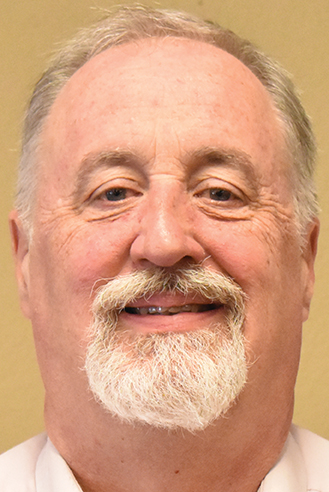
Eric Reece
A number of common sayings are phrases from the Bible that have taken a life of their own.
One – usually heard in business and politics – is, “Fall on your own sword.”
The modern definition means to take responsibility for mistakes and accept the consequences by resigning. This comes after a blunder or vote of no confidence from the board or party you represent.
The original meaning is much darker.
Saul ben Kish of the tribe of Benjamin was the first king of Israel. The people pleaded with Samuel for a king. He anointed Saul. When the Ammonites besieged the town of Jabesh, Saul gathered the Israelites, led the battle and drove the enemy away. He was crowned king and the people rejoiced.
All was well, but along the way Saul strayed from the will of God. Later, the Philistine army was mobilized. Fearful of their attack, he gathered his forces at Mount Gilboa for defense.
The Israelites were overwhelmed and an injured Saul – knowing he is defeated – chose to end his life by falling on his own sword and committing suicide.
September is National Suicide Prevention Month: a time to raise awareness of an important health crisis. Many people who suffer from depression and mental health crises do not seek help.
Why? There is fear about the stigma of this taboo subject. People feel alone or think they can handle problems without help.
The fact is suicide – one of the deaths of despair – is the second-leading cause of death among people aged 10-14; the third-leading cause of death among those aged 15-24; and the 12th-leading cause of death overall in the U.S.
It does not discriminate, as people of different ages, gender, background or economics can suffer from suicidal thoughts. Suicidal thoughts can be part of more serious health issues.
The good news is, there’s help.
An 800 number was created in 2005 for people in crisis to call, but it was not the easiest to promote. It took some advocacy and the help of the FCC, but the number 9-8-8 was chosen to replace the number.
9-8-8 is the lifeline you call if you need help or are concerned about someone. You can call, text, or chat 9-8-8 at any time, 24/7, to speak to a trained crisis counselor.
The website is 988lifeline.org/chat. When you call 9-8-8, the calls and texts are confidential. There are specialized services for those who speak Spanish, deaf and hard of hearing, veterans and service members, and the LGBTQ community.
Why am I sharing this information? Because we don’t talk about suicide and people suffer. We live in a stressful and confusing period of time when the stress can overwhelm us.
If a person who is struggling can get help and move beyond the crisis, it will save a life – and the pain and loss friends and family will inevitably go through.
Encourage the use of 9-8-8 and remember: No Judgment - Just Help!
Eric Reece is the faith columnist for The Graham Star. He is pastor of Robbinsville United Methodist Church and can be reached via email, ereece@wnccumc.net.