
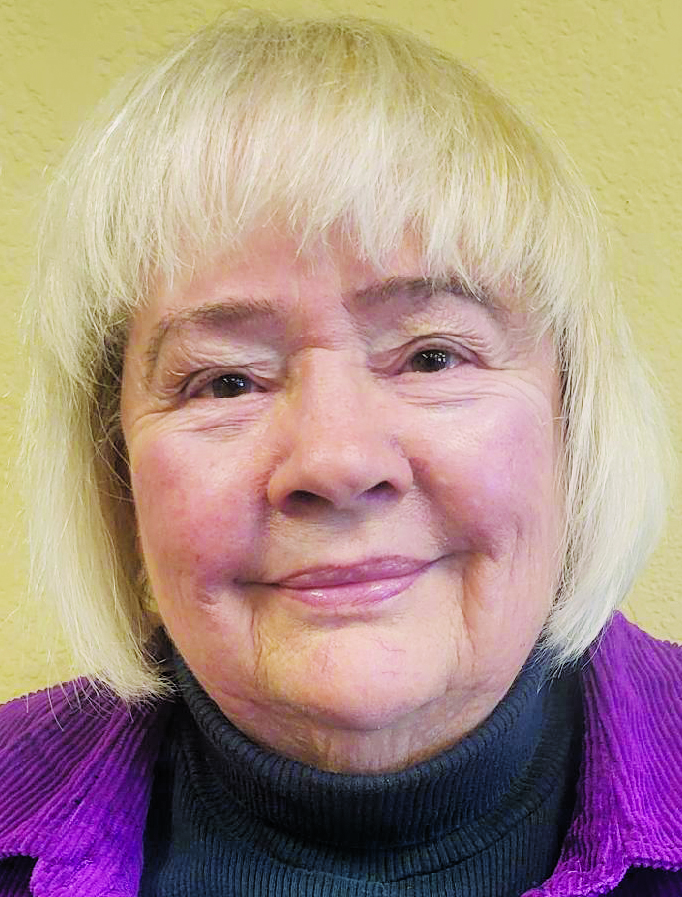
Lynne Stevens
We are fortunate in Robbinsville to have Appalachian Mountain Health right in town. Towns of our size often don’t have comprehensive healthcare open to all on a sliding-fee scale and accepting Medicaid.
Thinking ahead, I contemplated how they can take payment lower than the cost of providing their services and Medicaid has notoriously-low reimbursements to providers. The clinic is funded through a variety of state and federal grants, plus private foundations. Graham County contributes tax-based allocations for health services, and our county has received generous support through the Dogwood Health Trust and Nantahala Health Foundation.
These philanthropic organizations have been committed to improving healthcare in our rural mountain areas and are a valuable resource.
A portion of funding comes from the Federal Health Center Program (Section 330 Public Health Services Act), providing grants through the Health Resources and Services Administration. The “Big Bill” – also known as “House Bill 1” – became law in July and provides $50 billion to offset the new cuts to Medicaid through the Rural Health Transformation Program.
The problem here is that the cuts to Medicaid are $911 billion. In western North Carolina, the cuts are expected at $15.5 billion per year for 10 years. A $10 billion fund to offset cuts will be split among eligible states. The Kaiser Family Foundation – a credible source of healthcare community analysis – concludes cuts will impact rural care most. A very rough estimate of the cuts to our clinic could be $1.7 million a year for 10 years, according to available IRS and HRSA filings.
So what does this mean for our clinic in the future? The real impacts to Medicaid were cleverly timed to come after the midterm election, so the public would not feel it until after the votes are cast and certified. At that point, if any cuts begin to adversely affect you, it is water over the dam until the next election.
Our clinic is likely doing what we do when our finances are stretched, and significant increases and cuts loom ahead: they must plan ahead and do the best they can with fewer dollars to pay for our medical needs.
That could take the form of longer waiting times in the lobby; having to wait longer to get an appointment; or even shorter appointment times, placing pressure on clinicians to see more revenue-raising patients who have good insurance.
If we could have a longer time to plan for these cuts, we could be innovative and think outside the box. For example, we know there is a shortage of professionals willing to work in small rural communities like ours. Healthcare education to the physician assistant and nurse practitioner levels means high student loans.
If the state could significantly subsidize health education at the higher levels – with a five-plus year requirement to work in a state-designated area of need, at a more-modest salary – all rural counties would be winners.
Lynne Stevens writes a bi-weekly column for The Graham Star. She can be reached via email, geminga@mailfence.com.