
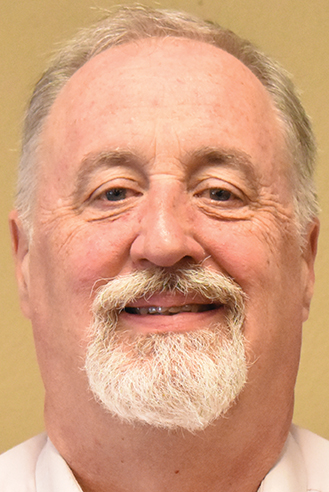
Eric Reece
My hometown is near Morganton, where one of the two N.C. Schools for the Deaf is located. It was built in 1894, for the deaf and hard-of-hearing students in Western North Carolina. A number of families moved there, so their children could attend the school.
There was a greater percentage of the deaf population in our area and this created an awareness and interest in American Sign Language. With a large deaf population, one of the churches in Morganton started a worship service to care for the spiritual needs of those who use sign language. They meet weekly for worship and Bible studies.
In the United States, there are an estimated 28 million people of all ages who learn with hearing loss. Of this, around half a million are “culturally deaf” individuals, who communicate with sign language.
American Sign Language was developed by Thomas Hopkins Gallaudet. In 1814, Gallaudet – who could hear – was an educator/minister who was inspired to help a nine-year-old deaf girl, Alice Cogswell. He started out drawing pictures with the words.
Impressed with his progress, her father encouraged Gallaudet to travel to Europe where he studied French Sign Language. Upon his return, he used the motions, signs and developed the alphabet used in sign language. He recognized the need for formal education for deaf individuals. His work grew and has helped deaf and hard of hearing people be educated and communicate.
The Apostle Paul wrote, "But how are they to call on one in whom they have not believed? And how are they to believe in one of whom they have never heard? And how are they to hear without someone to proclaim him?" (Romans 10:14).
Did you know there is an American Sign Language ministry in our area?
I first met Laura Mathis when she was the sign-language interpreter for the annual Stecoah Christmas Cantata. Each year, she provides the interpretation for the narration and lyrics. We are very grateful for her gift and ministry.
In time, Laura started interpreting the worship services at Stecoah Baptist Church and soon added a church in Franklin, as well as Robbinsville United Methodist Church. It is an amazing sight to watch an sign-language interpreter and know the Gospel is being communicated.
How accessible is your worship space to the deaf community? Your church can break the sound barrier. There are many simple things a church could do to welcome those with hearing loss:
* A bulletin can contain information that can help people follow the service;
* Hymns numbers and scripture on the hymn board lets everyone know the songs;
* Powerpoints for the worship service; closed captioning for the video, Bible studies and Sunday School;
* Hearing devices for those who have hearing loss, but are not completely deaf.
You may even learn a few words in sign language. The sign for Christ is to place a finger in the palm of your hand and repeat on the other hand. You are showing the nail scars in Jesus' hand.
In the future, it is understood there will be more people with hearing loss. Let us work together to communicate the Gospel to them.
Eric Reece is the faith columnist for The Graham Star. He is pastor of Robbinsville United Methodist Church and can be reached via email, ereece@wnccumc.net.