
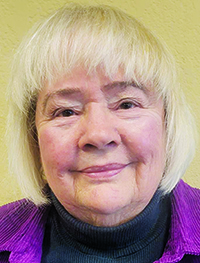
Lynne Stevens
Lots of us are trying to figure how to adjust our budgets for the coming year, given the health insurance increases many face.
We already know the problem: bills are too high, and there is not enough money to cover them!
Let’s look at some solutions being floated out there:
* Extending the subsidies is the easy way, but does not address the root causes – yet more time may be required for both sides to work together;
* Giving money to families to pay for their own health insurance, directly or through tax-favored savings accounts. In other words, find your best private health insurer. Will there be incentive for insurers to not sell junk health insurance, which could bankrupt families without standardized minimum coverage?;
* There is talk of making the health marketplace stable and predictable from year-to-year. Exactly how is a little sketchy.
According to Fortune Magazine, we are rewarding sickness in the form of profits and higher doctor pay – and not rewarding wellness. Increased access to care with a medical home has proven to increase healthy people and costs far less, encouraging regional innovation centers where new processes can be tried and ended if not showing promise.
Regulatory barriers make it hard for an established and profitable process – or product – to give way to new and better ways of doing things. Therefore, we are stuck – when the better way just needs to be cut loose.
A primary-care model – similar to Oak Street Health – needs to be encouraged. Oak Street is paid a fee to keep patients well. Investing in them could lead to major savings when you are seen regularly, rather than just when sick. Our clinic is investing in a team approach, with physical therapy, behavioral health, dental care and medical personnel under one roof. Nipping problems in the bud is less expensive than specialist treatment.
Young people seem to think they are indestructible. They are not and there is experimentation being done to auto enroll the uninsured in some states. When a low- or moderate-income person goes to the emergency room, some states are enrolling them in Medicaid on the spot, so they get care after the hospital stay – avoiding a possible re-admission.
Nurse practitioners and physician assistants are needed in rural and low-income areas. In many cases, a medical doctor is not on-site and these professionals treat patients day-to-day.
I have long advocated for a fair trade of student loans for lower pay, over a specified period in locations chosen by North Carolina. Reducing medical professionals’ ability to get student loans as currently proposed isn’t helpful and exacerbates the shortage.
These suggestions are only the tip of a large iceberg and more ideas are floated every day. Some may make it, but here is the rub: what is seen above is the work of both parties. What a shame it would be if a lack of communication prevented promising breakthroughs to die. Here is a Christmas prayer to the adults in any room willing to collaborate for the health of our communities.
Lynne Stevens writes a bi-weekly column for The Graham Star. She can be reached via email, geminga@mailfence.com.