
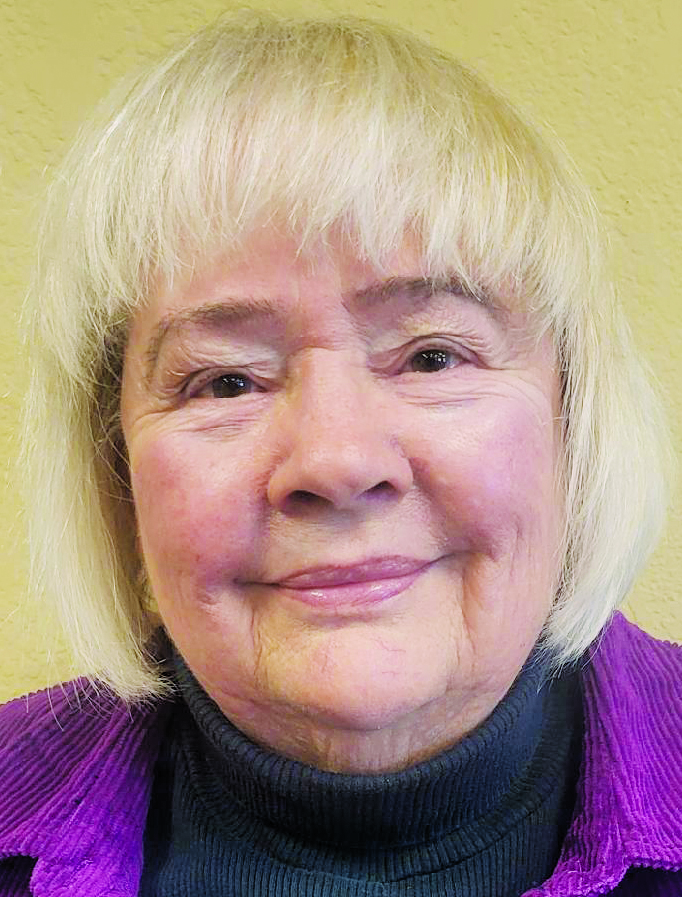
Lynne Stevens
Everyone has had a moment in time from childhood when we did wrong and had to face the music and pay the piper.
When I was a kid in elementary school, we were having afternoon snacks and my classmate said something I didn’t like.
In a fit of anger, I deliberately spilled the classmate’s milk all over him – then denied doing what I clearly did. The teacher saw the whole thing and I was now in hot water for lying.
The first thing that happened was having to stay after school and write the following five times: “Do unto others as you would have others do unto you.” Next, I had to write what that meant.
Second, a note was sent home to my parents; double whammy. My parents were furious and I was not allowed out to play, no TV and early bedtime. Lastly, I had to endure one of my fathers marathon lectures.
This incident has stuck with me all these years. Why? Strong swift consequences.
I was a juvenile probation officer for a number of years and here are some of my observations:
* Kids who are held accountable in a meaningful way right out of the box with a first offense are less likely to repeat;
* Prosecutors who understand that a rap sheet full of no prosecutions only reinforces bad behavior;
* Dedicated prosecutors are critical to lowering crime, but can’t do it – saddled with impossible case loads;
* Meaningful sanctions for a second or more serious offense might be more community service hours plus a month or more of “fun-filled,” all-expenses paid weekends at the juvenile detention center. These sanctions were effective and handed out by a judge who took his job of lowering crime rates very seriously and guess what: the kids got the message. Juvenile crime rates went statistically down and the accomplishment was recognized in the local newspaper.
On the other hand, the “casper milk toast” judges – as we called them – would give kids chance after chance and crime rates remained unchanged. Kids were reinforced to continue bad behavior. We had identified a piece of the puzzle for reducing juvenile crime.
Punishing crime is not the entire puzzle. We know kids who are isolated, bullied, have family issues, learning issues or different in some way are at risk. There are successful school-based programs that work in teams once a teacher makes a referral. Teams meet regularly with students helping them to feel empowered with listening and communication.
All aspects of a child’s life that stands in the way of success are resourced in school or outsourced. (education.qld.gov.au).
Yes, that is an Australian website. Queensland has set out a visionary plan to support all students and keep them engaged in school in a variety of creative ways. Our state can make a similar commitment with increased funding – rather than cuts caused by vouchers and politicians.
Parents, it’s up to you to elect lawmakers as committed to our kids as Queensland, Australia is to theirs.
Lynne Stevens writes a bi-weekly column for The Graham Star. She can be reached via email, geminga@mailfence.com.