
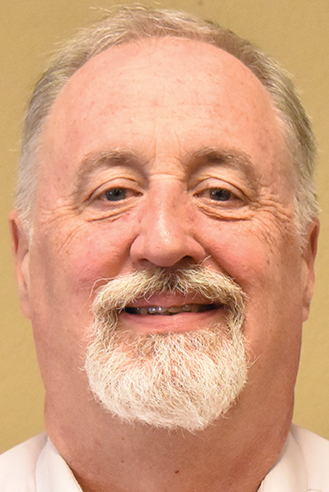
Eric Reece
After the death of Pope Francis, the Vatican firefighters placed a smokestack on the roof of the Sistine Chapel in preparation for the election of a new pope.
After each vote for the Pope, if there is not an election the ballots are burned and the smoke billows black. If there is an election – with a candidate receiving a 2/3 majority – the new Pope is elected and the ballots are burned with a chemical so the smoke billows white. The white smoke brings cheers and joy of news of a new successor to head the Catholic church.
To elect the next leader of the Catholic church, a conclave of all the cardinals is called. Cardinals are the chief officials of the Catholic Church, the administrators. They are priests, bishops and deacons. Only cardinals are eligible to become Pope. There were 131-of-134 eligible cardinals who participated in the vote. A candidate needed to receive 89 votes to be elected.
The cardinals are from Europe (52); Asia (23); Africa (17); South America (17); North America (16); Central America (four); and Oceania (four). This is the most geographically-diverse group of cardinals in history, with a number being appointed by Pope Francis.
As Christianity declines in the West and grows in the Southern Hemisphere, the question is, will the Pope come from other countries and not Europe?
It only took two days before the white smoke rose from the roof of the Sistine Chapel. When the smoke cleared, many were surprised that an American-born priest of the Order of St Augustine, Robert Prevost, was the 267th Pope. He chose the name Leo XIV.
The Pontiff choosing a new name is a symbol of his new role and responsibilities. The name is out of respect for saints and previous Popes, and can signify the direction of his ministry. The last Leo, Pope Leo XIII, worked for social justice and workers rights. He was seen as a champion and advocate for the poor.
Prevost was born in Chicago and spent decades as a missionary in Peru, where he served as a bishop. He is very fluent in Spanish, and has American and Peru citizenship. While he worked in Lima, he traveled to rural areas by horseback and an old manual truck he had to repair himself. He is seen as one who will continue the work of Pope Francis, championing human rights and dialogue with other Christians and faiths.
Pope Leo XIV inherits many of the problems his predecessor had. The Catholic Church struggles in Europe and America as membership declines. It is a challenge to stay relevant to the younger generation and reach out to them. The shame of how indigenous people were treated and the sex abuse scandals continue to be in the forefront, as the church cares for the victims, brings the perpetrators to justice and works on prevention.
As the spiritual leader of over 1.4 billion Christians, Pope Leo XIV will continue his ministry of working to heal the wounds of our world.
Eric Reece is the faith columnist for The Graham Star. He is pastor of Robbinsville United Methodist Church and can be reached via email, ereece@wnccumc.net.